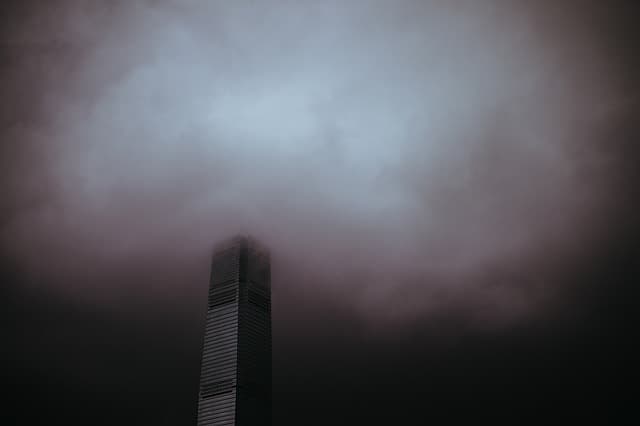
“The Dark Tower” is Stephen King’s central saga, which he worked on for over 30 years. Inspired by Robert Browning’s poem “Childe Roland Reached the Dark Tower,” King conceived of an epic that combined western, fantasy, philosophy, and apocalypse. The first book, The Gunslinger, was published in 1982, and it was the beginning of a journey that spanned multiple worlds and destinies.
Roland is the last gunslinger
Roland Diskein of Gilead is the last representative of the ancient order of Gunslingers, the knights who guarded the order. He lives in a world that has “shifted” – the Betweenworlds, where the remnants of civilization mingle with magic, man-made ruins, and primal fear. Roland has been trained from childhood in marksmanship, survival, and the law of honor. His main goal is to reach the Dark Tower, standing at the very center of all worlds.
Roland is the image of a loner. Ruthless, determined, almost unemotional – but deep down he remains a man capable of affection and pain. On the surface, he resembles a young Clint Eastwood – and King himself confirmed this inspiration.
The Tower is the axis of reality
The Dark Tower isn’t just a building. It is the center of Stephen King’s multiverse, the point at which all worlds, times, and destinies converge. It stands at the Crossroads of Beams – energy paths – and if the Tower falls, everything in existence collapses.
The tower is surrounded by roses, a sacred symbol of life. It is believed to be guarded by a higher power called Gan. This is not God in the usual sense, but something omnipotent, above good and evil. Opposing the Tower is the Scarlet King, a being who wishes to destroy it and plunge the worlds into chaos.
The Path to the Tower
Roland’s journey is an epic of eternity. He is led not by will, but by the power of Ka – fate. Along the way he gathers Ka-tet – a group united by destiny: drug addict Eddie Dean, his wife Suzanne, boy Jake Chambers and talking animal Oya. Together they fight monsters, technomages destroying the Tower, and finally the Scarlet King himself.
Roland loses many friends. His path is one of sacrifice, loneliness, doubt. But he doesn’t turn back, because Ka leads him forward.
The Cycle and the eternal return
In the seventh book, The Dark Tower, Roland finally reaches the top. But as he steps inside, he is met with a revelation: this is not the end – it’s the beginning. He’s been here before. He is back in the wilderness again, from the beginning of the journey. It’s all happening again.
But there is a detail: this time he carries the horn of the Eld, which he lost in his previous life. It’s a symbol of hope. Perhaps now the journey will end differently.
Symbolism and legacy
Roland is the archetype of the hero stuck in time. His journey is a metaphor for a life in which we repeat the same mistakes until we learn to change. The Dark Tower is a symbol of the higher meaning we strive for by sacrificing bits of ourselves.
Roland’s story is not just a short story. It is a philosophical parable about choice, the price of purpose, loss and redemption. King combined almost all of his works in it, turning the Tower into the core of his entire universe.